
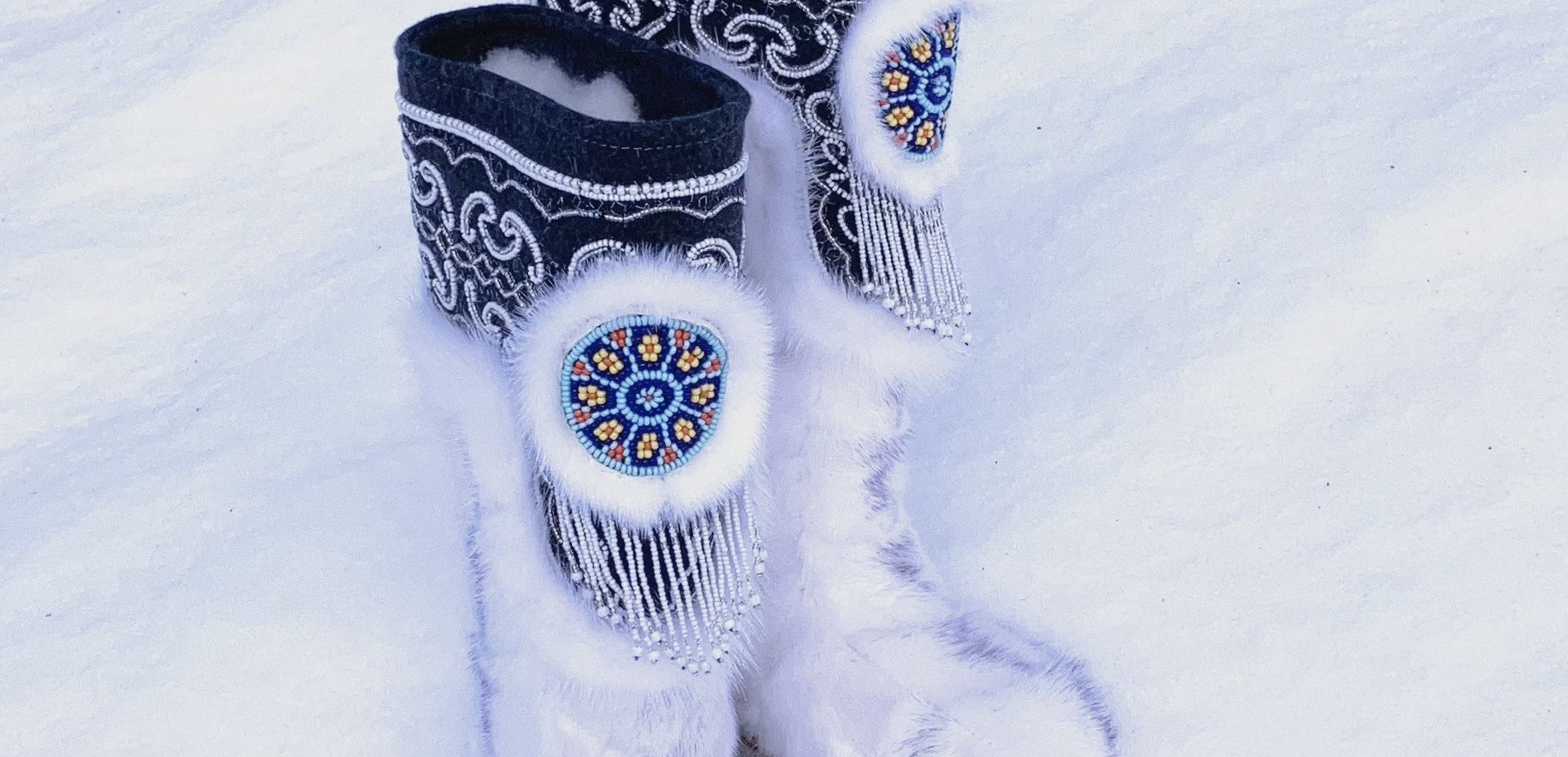
I ski most winters, and for years the part I dreaded was not the mountain — it was the two hours afterwards. Boots off, feet cold and damp, sitting in a chalet waiting to feel normal again. I bought a lot of snow boots looking for a fix. Most of them were fine on the slope and miserable afterwards.
A friend in Vermont had a pair of hair-on-hide cowhide boots and kept telling me to try them. I finally did, two winters ago.
What changed for me, honestly, was not one dramatic thing. It was a few small ones.
The hide does not behave like a synthetic shell. Snow sits on the surface of the hair and brushes off before it soaks in, so by the time I am indoors there is usually nothing to dry. When they do get properly wet — and they do, in slush — I leave them by the door overnight at room temperature and they are fine in the morning. No radiator, no hairdryer.
The fur lining is the part I did not expect. It is real fur, undyed, and it feels completely different from the synthetic pile I was used to. It flattens where my foot sits and stays soft everywhere else.
They are heavier than my old boots. I will say that plainly. But they are the pair I reach for, and I have stopped thinking about my feet after skiing, which was the whole point.

The other thing is that mine do not look like anyone else's. The markings come off the hide itself, so the pattern falls differently on every pair. In St. Moritz that turns out to matter more than I expected — people ask about them constantly.
Two winters in, the soles are worn at the heel and I am sending them back to be resoled rather than replaced. That is a first for me with winter boots.
If you are someone whose feet are the reason you cut a ski day short, they are worth a look.
This is one customer's own account of her experience. Natural hide varies from piece to piece, and how a pair performs depends on how it is worn and cared for.
See the collection at MOGSki footwear.